Home / Our Work
Real jobs · Southeast Tennessee
Our work
Photos from our own inspections and service calls. Tap any photo to see it larger.
Wood Destroying Insects
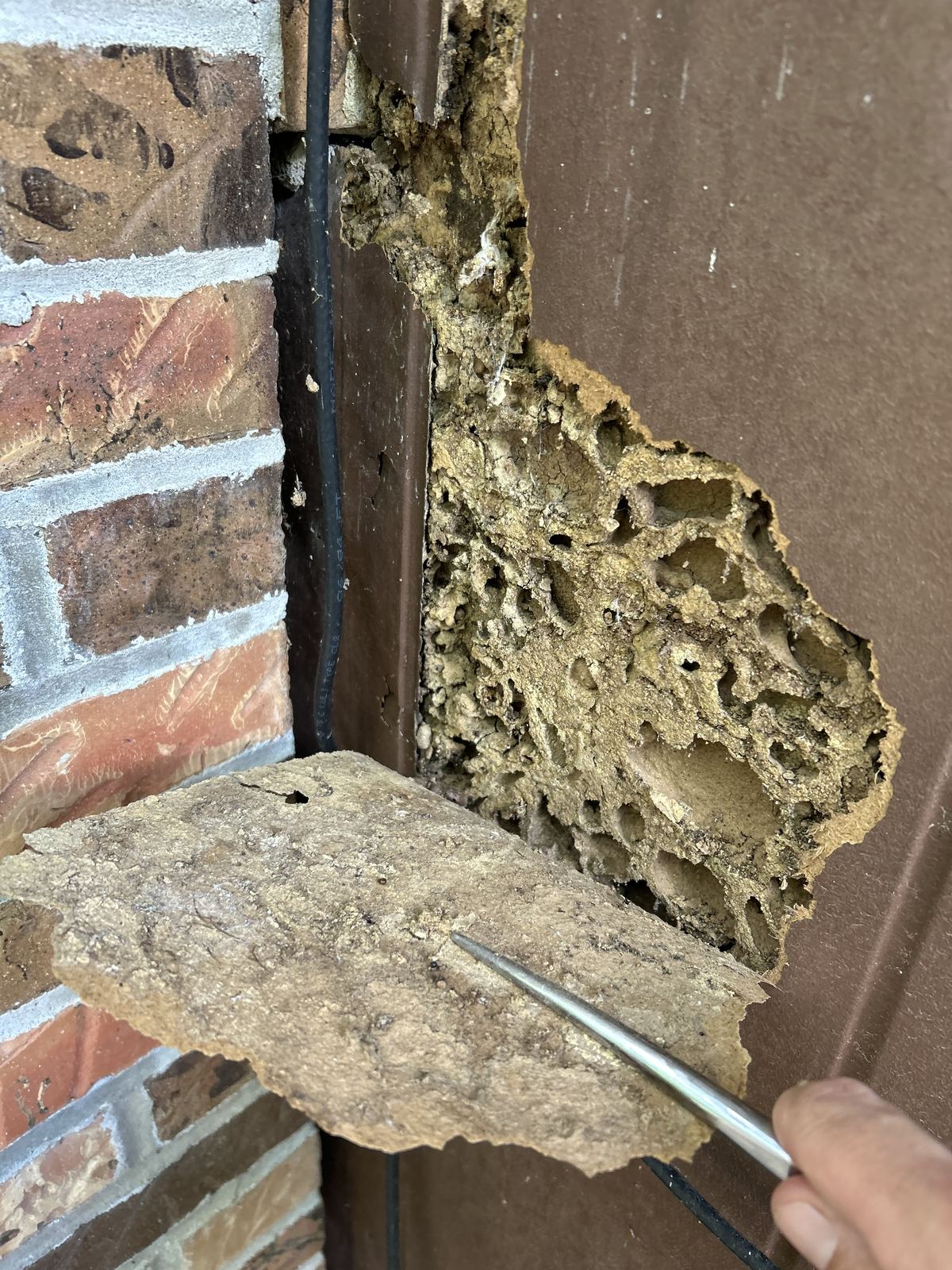
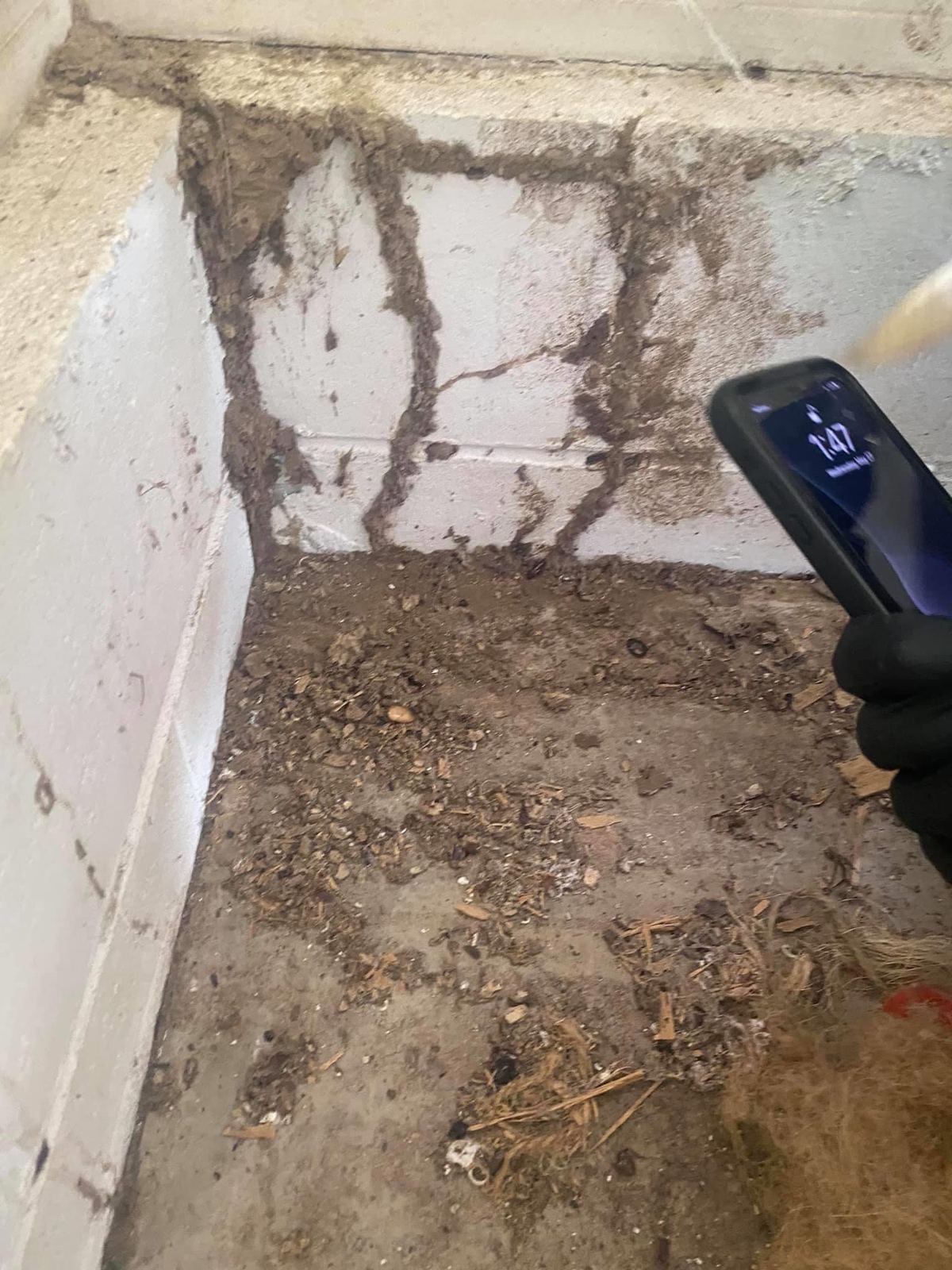
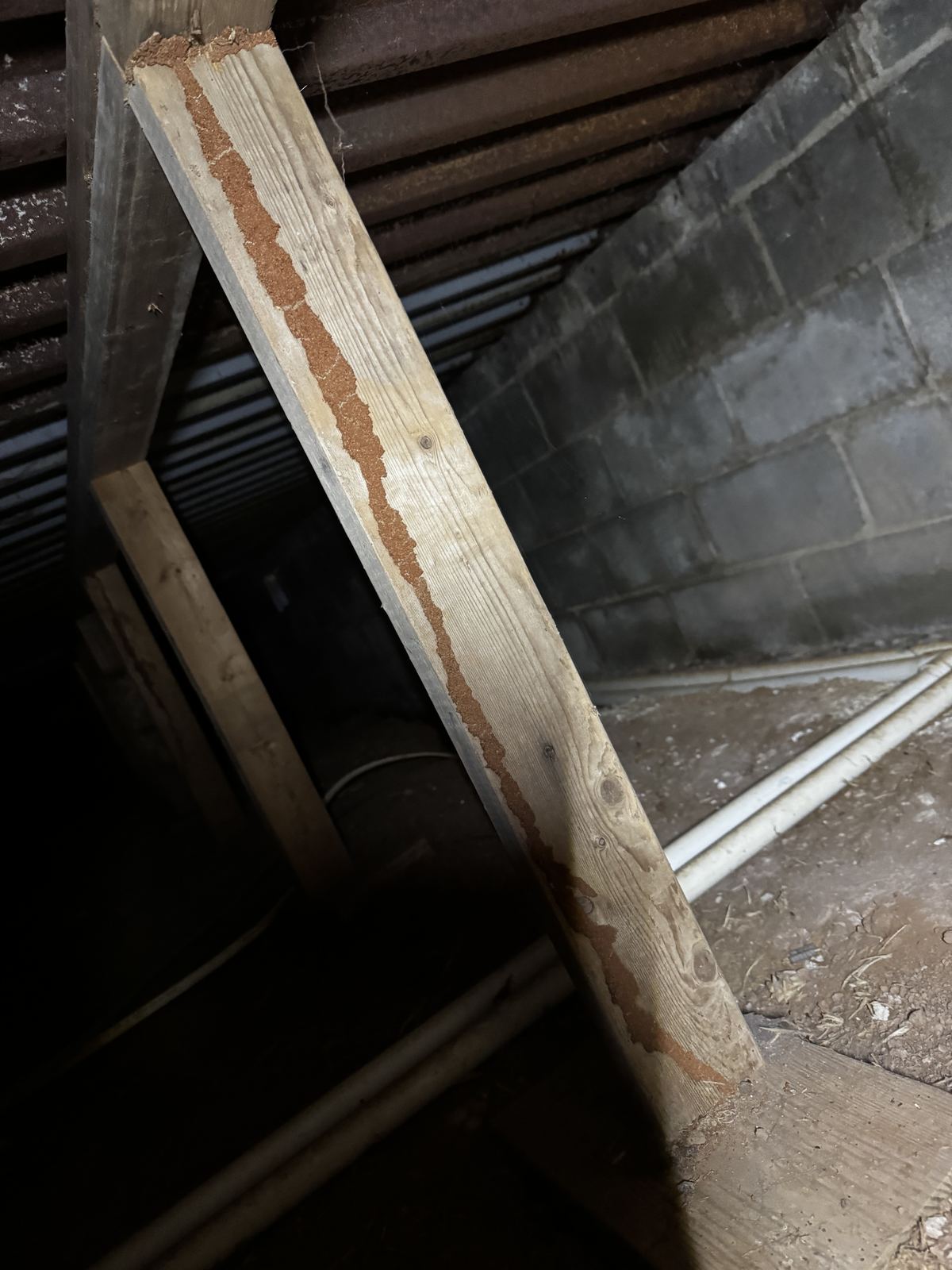
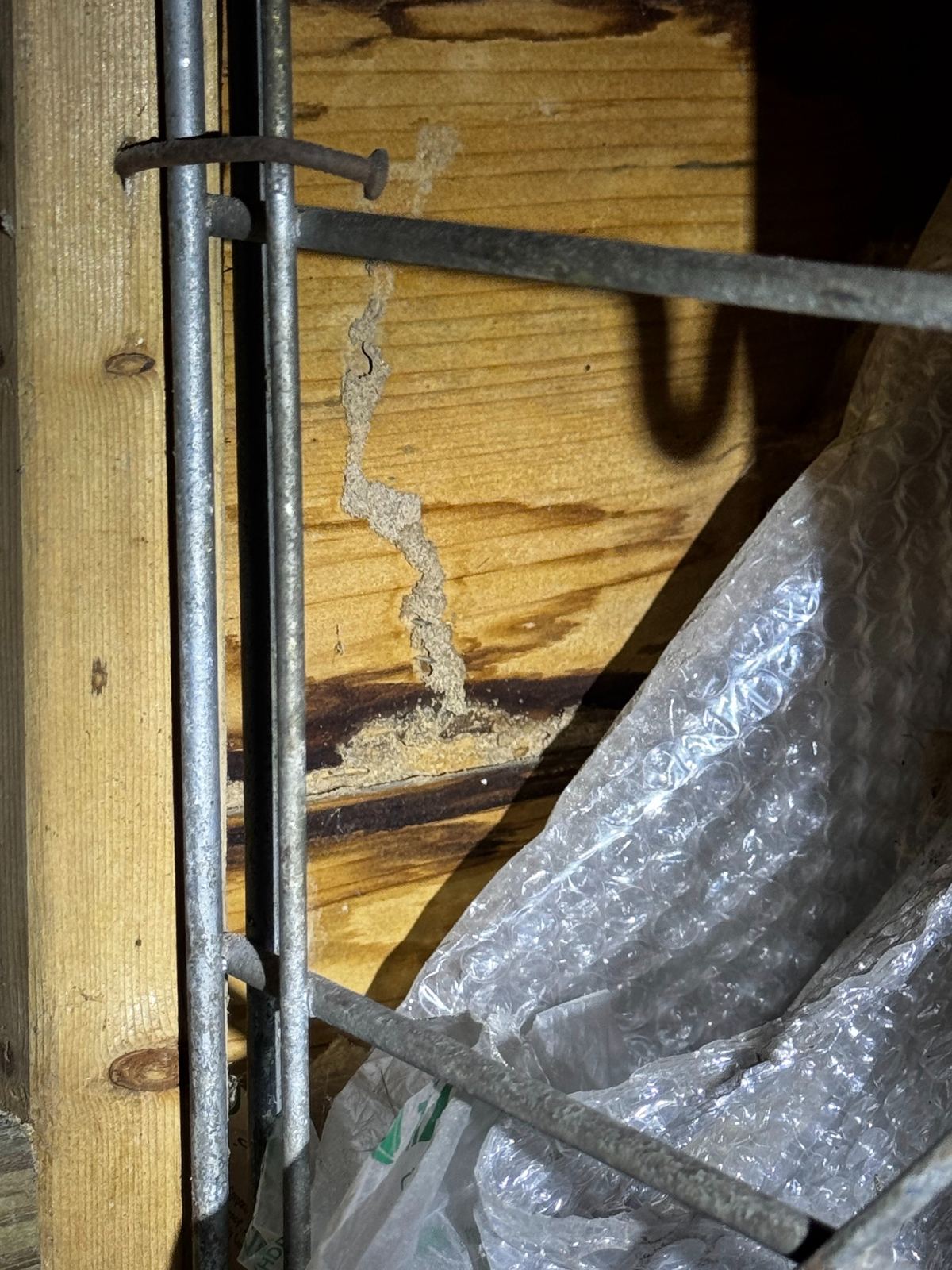
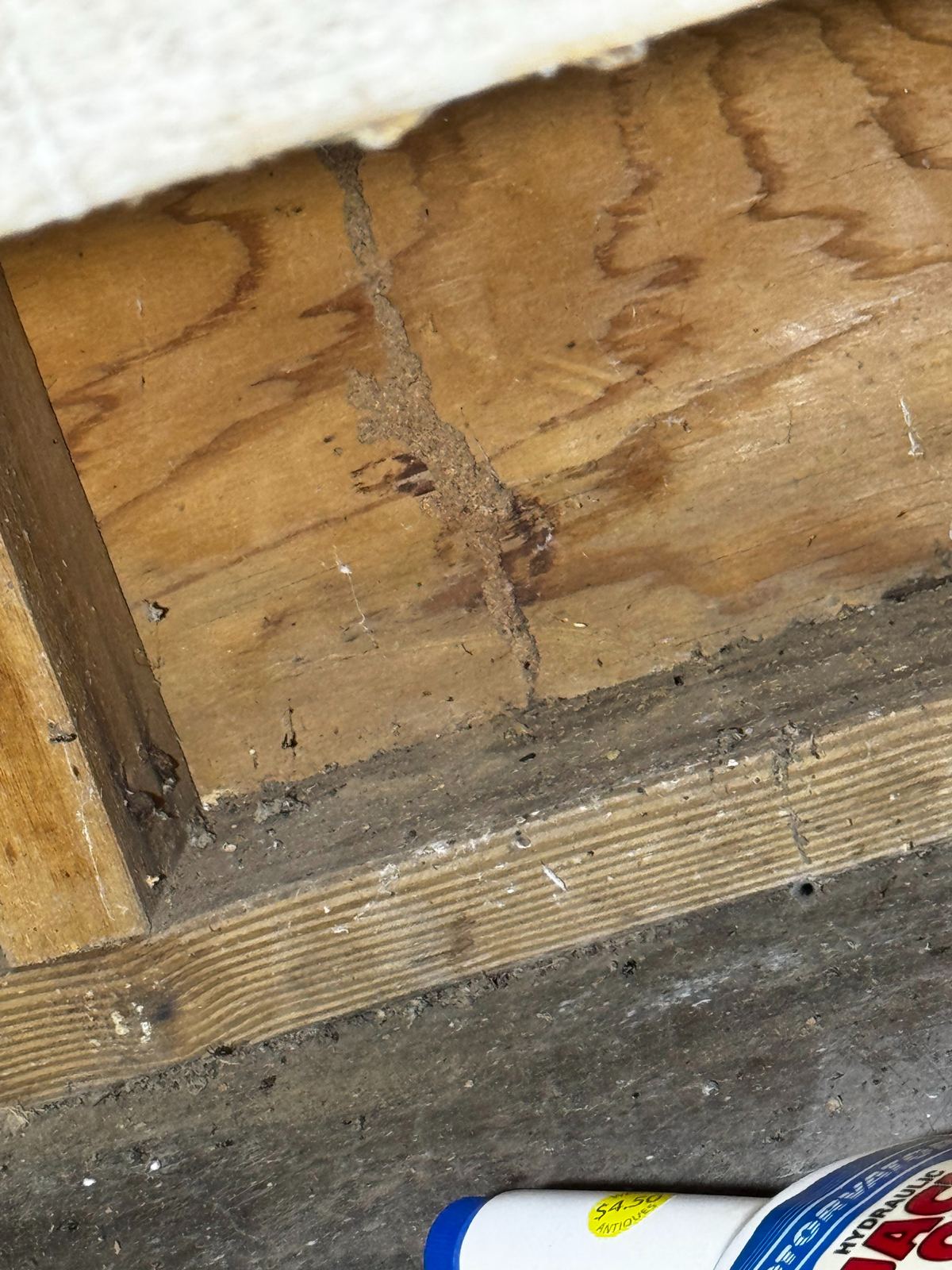
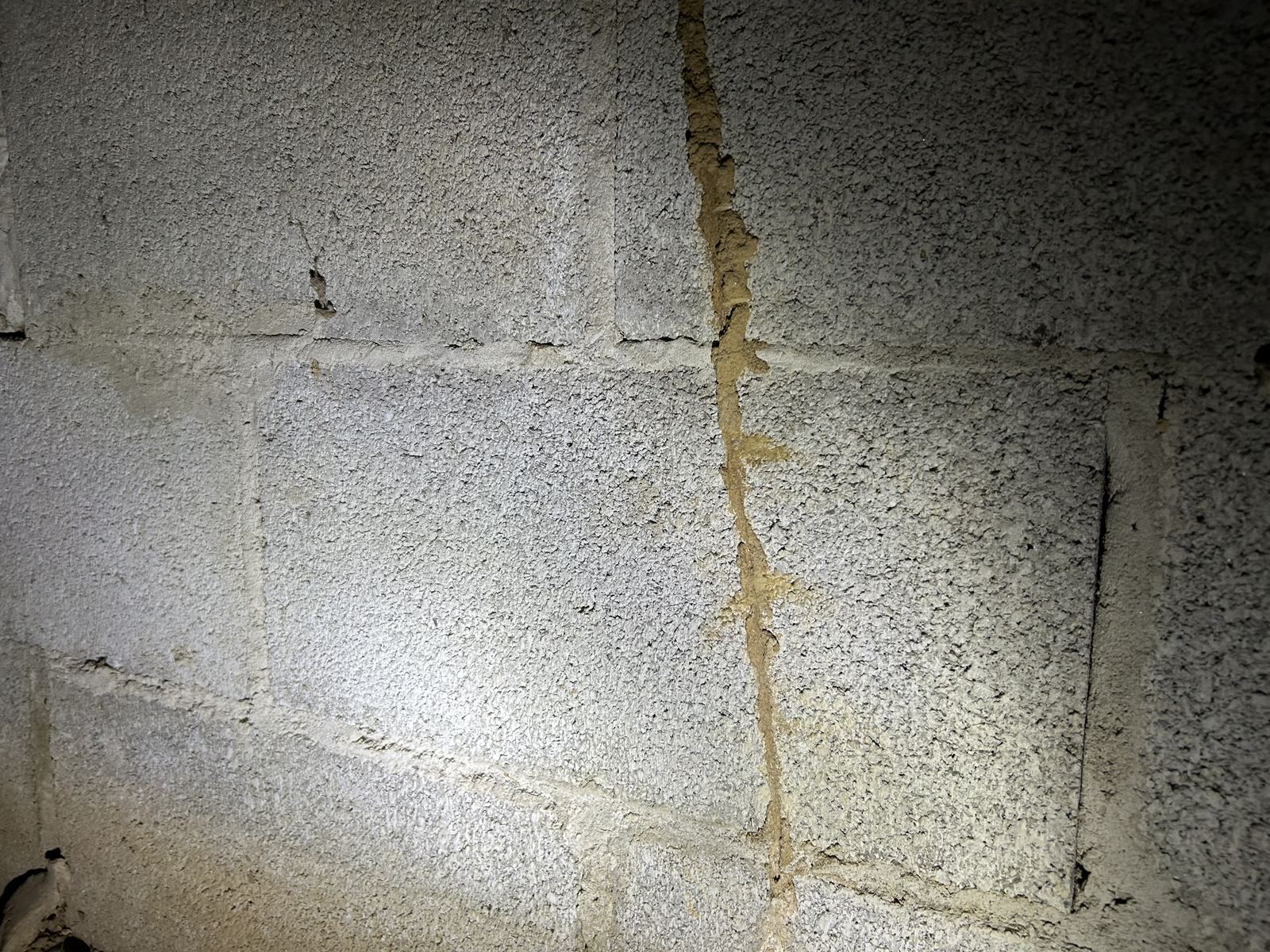
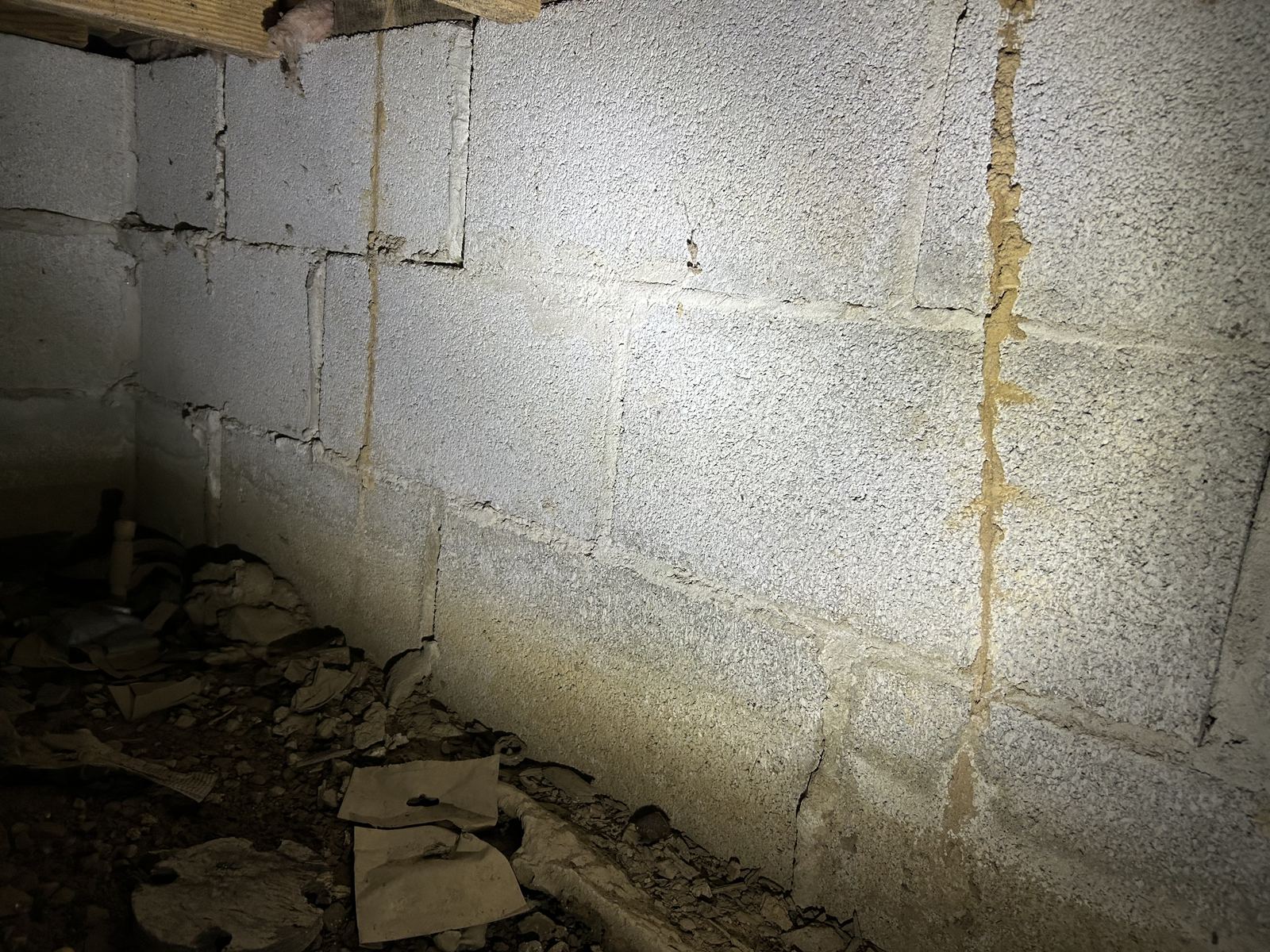
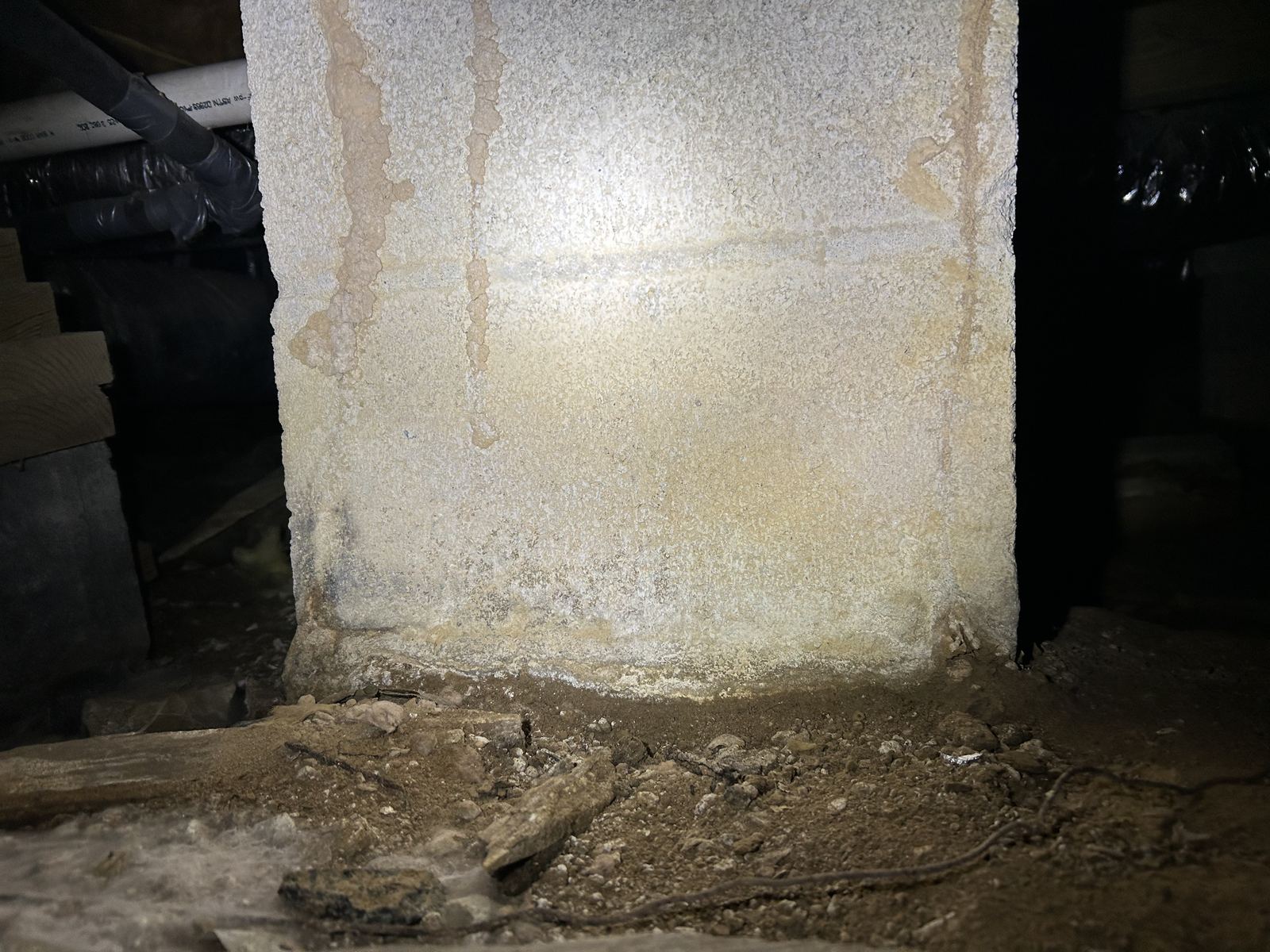
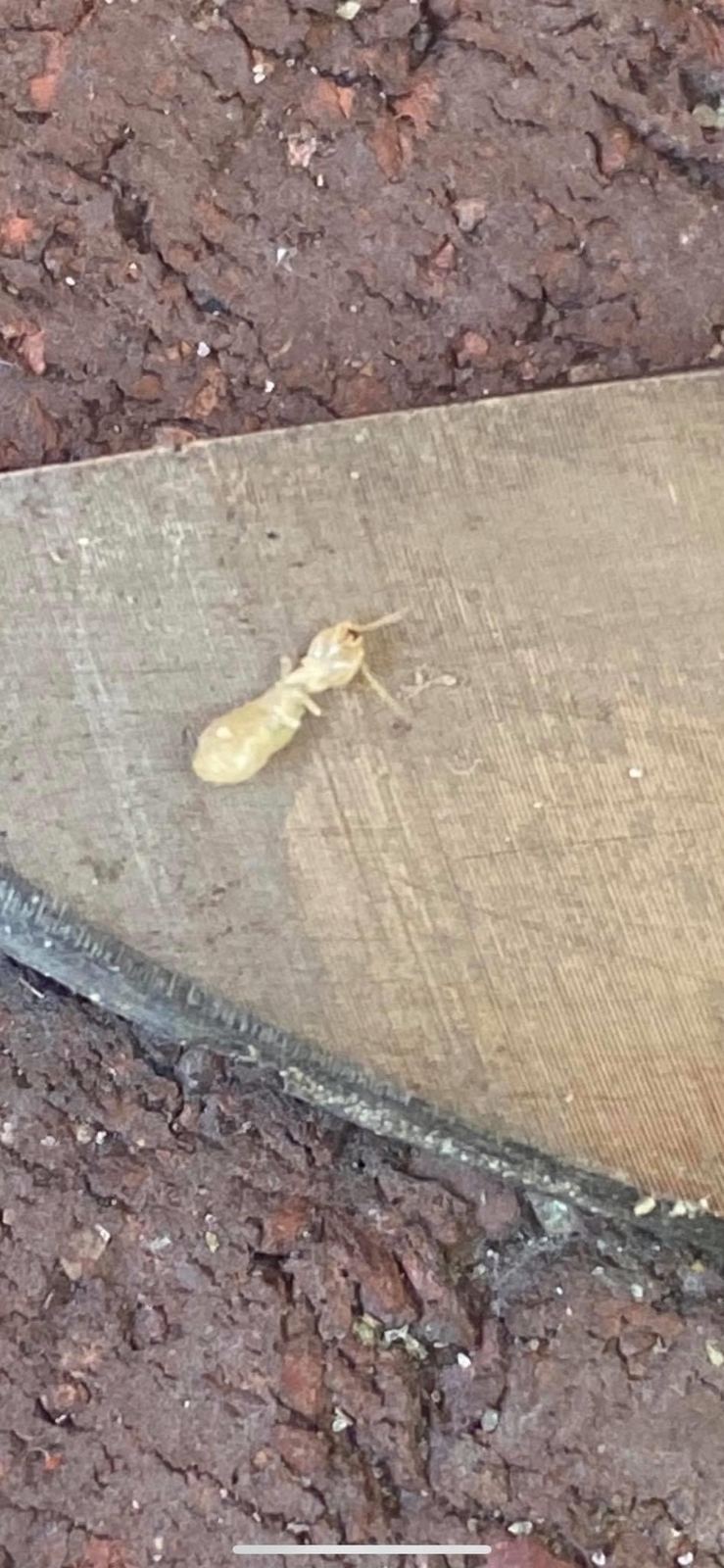
Eastern subterranean termites live in the soil and build mud tubes to reach the wood in your home. These tubes on foundations, piers and framing are the most common sign we find. Learn about termite control.
German Roaches
The German roach is the most common roach found inside homes and restaurants, and one of the hardest pests to get rid of without professional help.
How to spot them
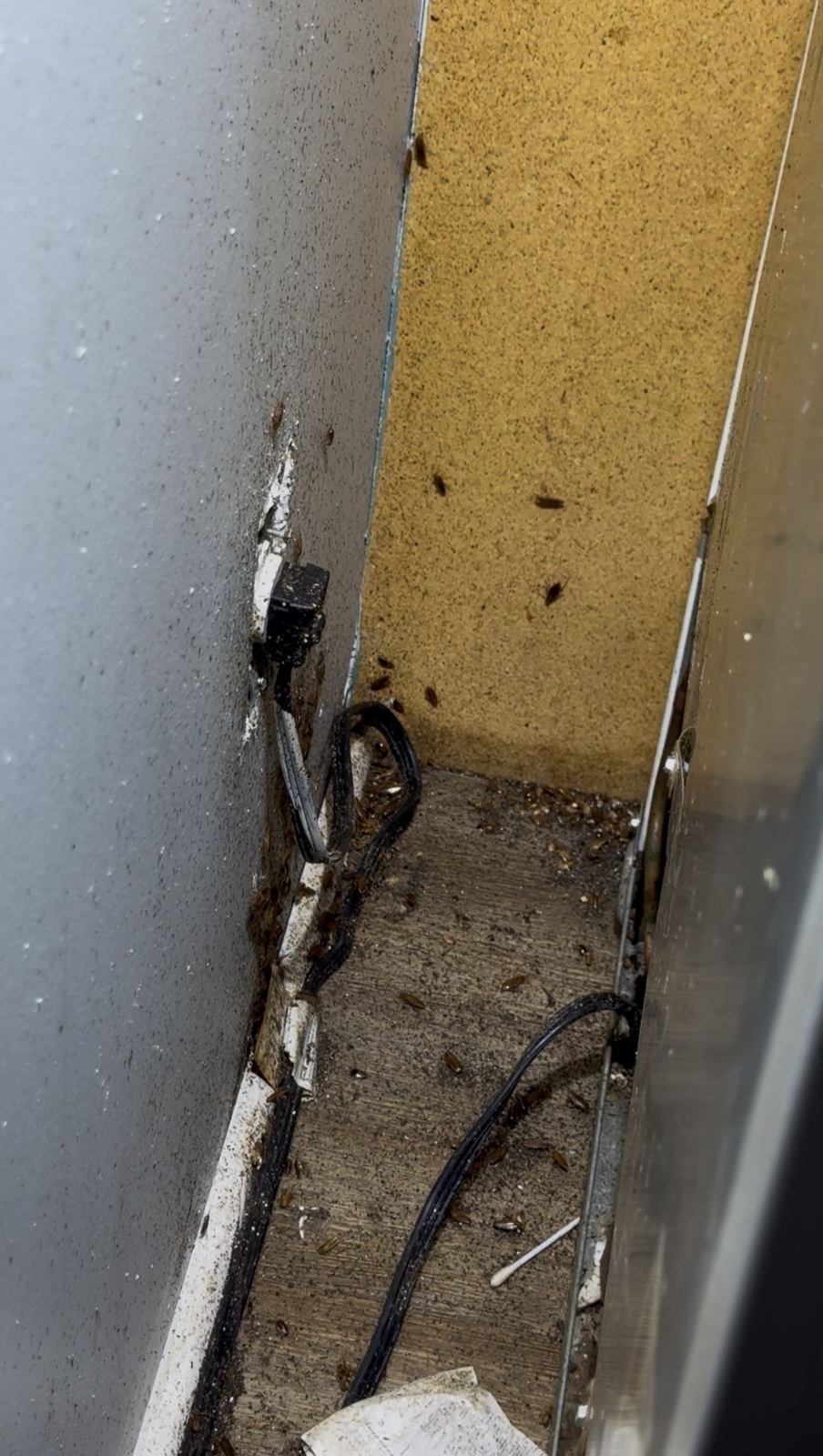
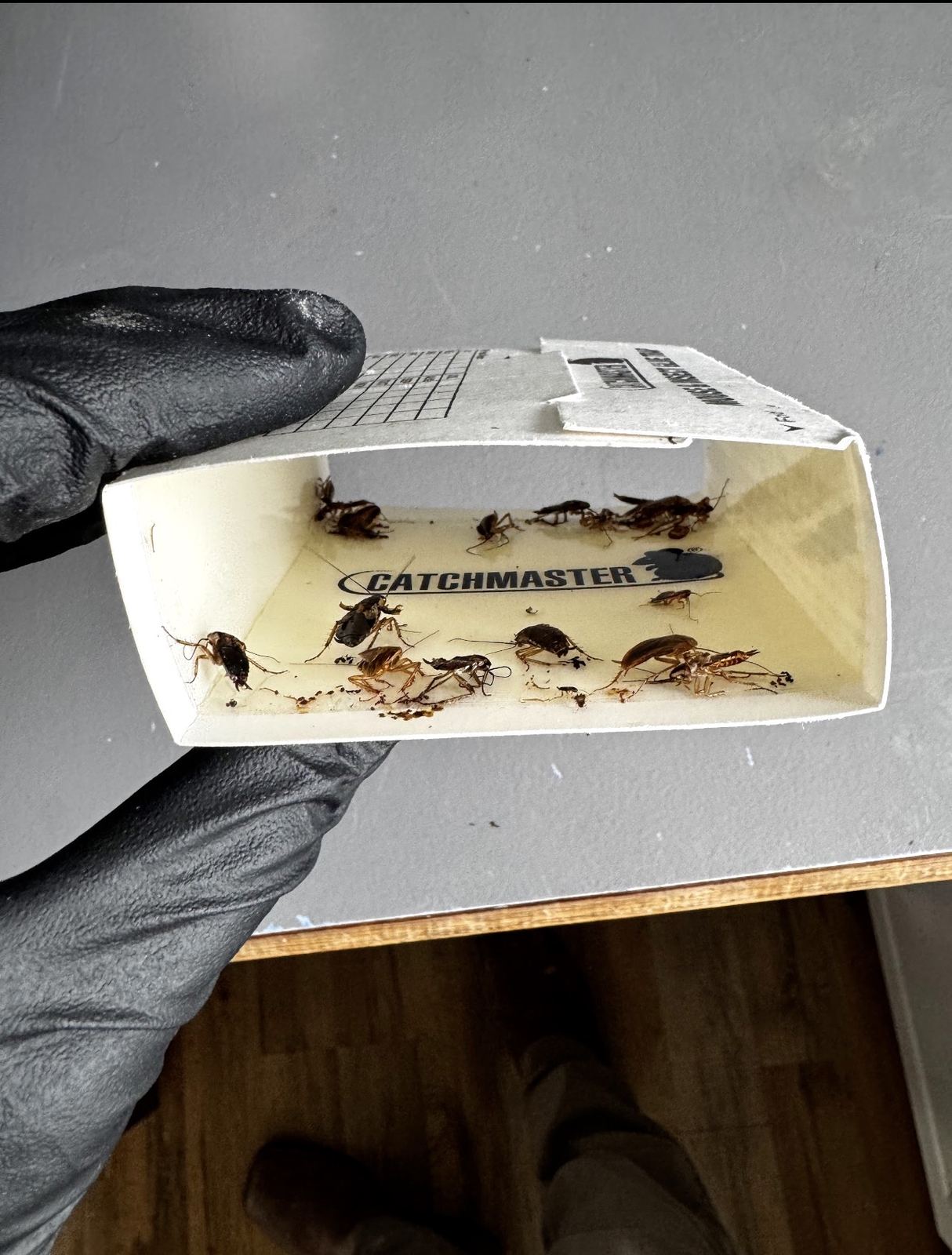
Small, about half an inch long, light brown with two dark stripes behind the head. They hide in warm, tight spaces near food and water: behind refrigerators, stoves and dishwashers, under sinks and inside cabinets.
How they get in
German roaches live indoors. They usually hitchhike in on grocery bags, boxes, used appliances and furniture, so a clean house can still end up with them.
Why they spread so fast
One female carries an egg case holding 30 to 40 eggs, and young roaches can be breeding within about two months. A few roaches can turn into thousands in a matter of months.
Signs of an infestation
Droppings that look like black pepper or coffee grounds, shed skins, egg cases and a musty smell. Seeing them during the day usually means the population is large.
Why it matters
They crawl through grime and then across counters and dishes, spreading bacteria. Their droppings and shed skins are also known triggers for allergies and asthma, especially in children.
Why store sprays fall short
Sprays and foggers rarely reach where they hide and can scatter them deeper into walls. Our German roach treatments target the cracks and voids where they live, with monitors to track activity and follow-up visits until they are gone.
The products matter too. German roaches have built up resistance to many of the insecticides sold in stores, so those products often stop working. Professional treatments use baits roaches actually eat, and growth regulators that keep young roaches from maturing and breeding, which breaks the cycle. Many professional products are non-repellent, so roaches do not avoid them and carry them back to their hiding spots, reaching roaches you never see. Rotating between products also keeps the population from building up resistance again.
Other Roaches in Southeast Tennessee
Most other roaches around here live outdoors and wander inside, especially after heavy rain or when the weather turns. They are handled differently than German roaches.
American roach
The biggest roach in our area, up to about two inches long, reddish brown with a yellowish band behind the head. Often called a palmetto bug. Shows up in basements, crawl spaces and around drains.
Smokybrown roach
About an inch and a half long and solid dark brown. Very common in the Southeast. Lives in mulch, leaf litter, gutters and trees, flies well and is drawn to porch lights.
Oriental roach
About an inch long, shiny dark brown to black. Often called a water bug. Prefers cool, damp places like crawl spaces, basements, drains and under leaves.
Wood roach
Brown with pale edges, common in wooded areas, woodpiles and under bark. Males fly to lights in late spring and early summer. They wander in but do not set up shop indoors.
Brown-banded roach
Small like a German roach, with two light bands across its body. Lives indoors in warm, dry spots like upper cabinets and electronics, and needs targeted indoor treatment.
How we treat them
We treat around the foundation, doorways, mulch beds and crawl spaces to stop outdoor roaches before they get in, and treat any indoor hot spots like basements and drains. Outdoor roaches are covered on all of our service plans.
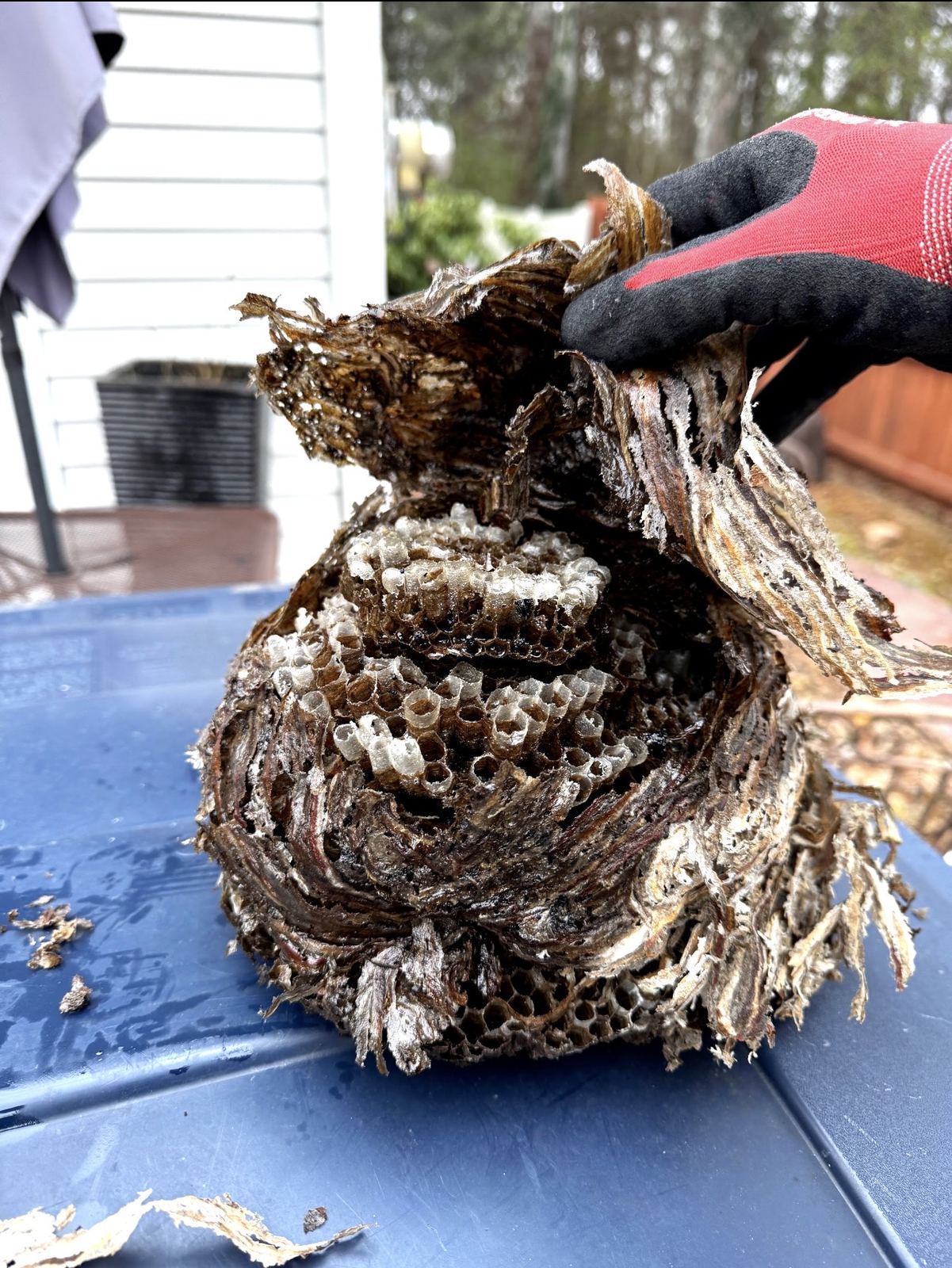
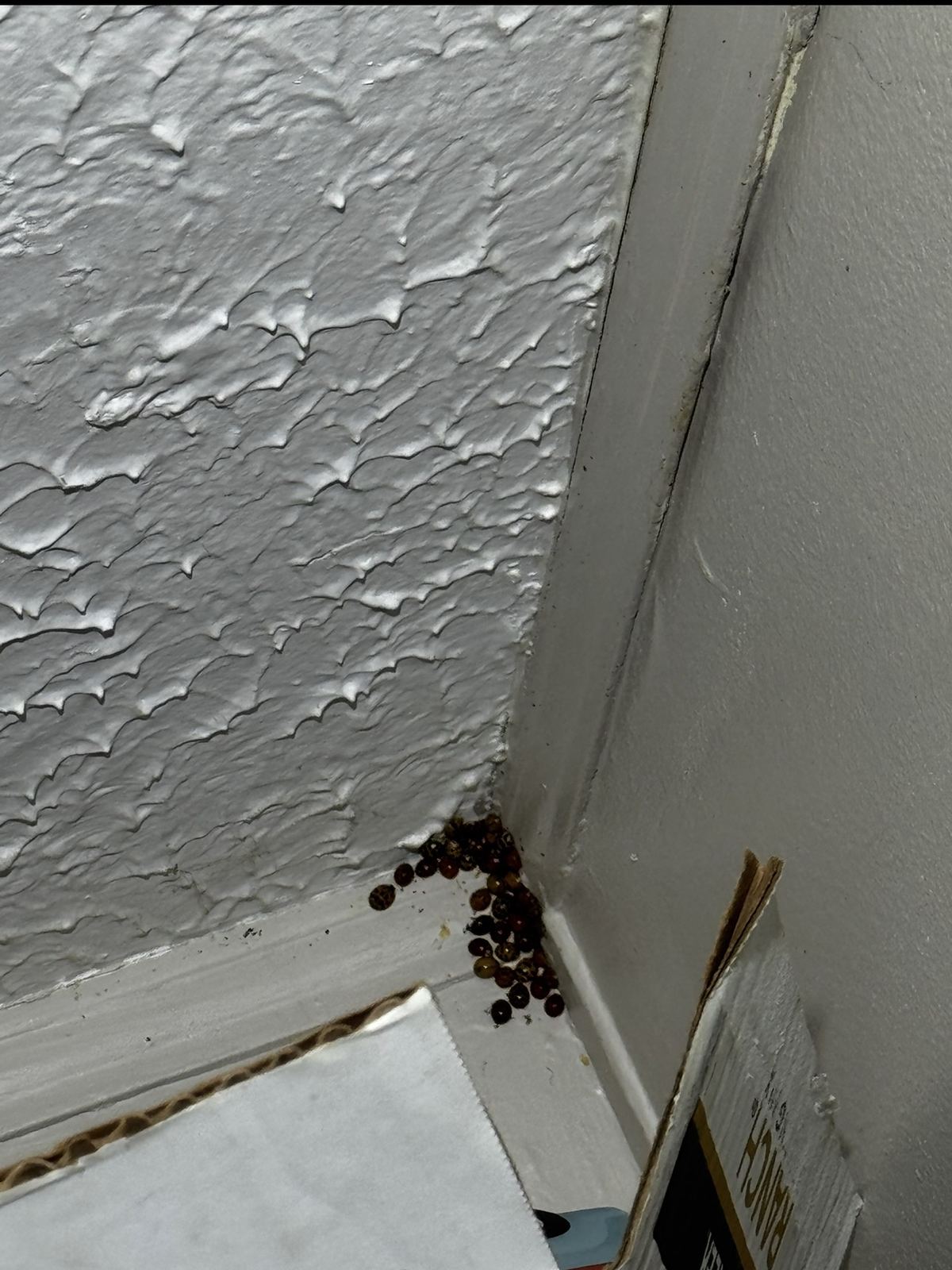
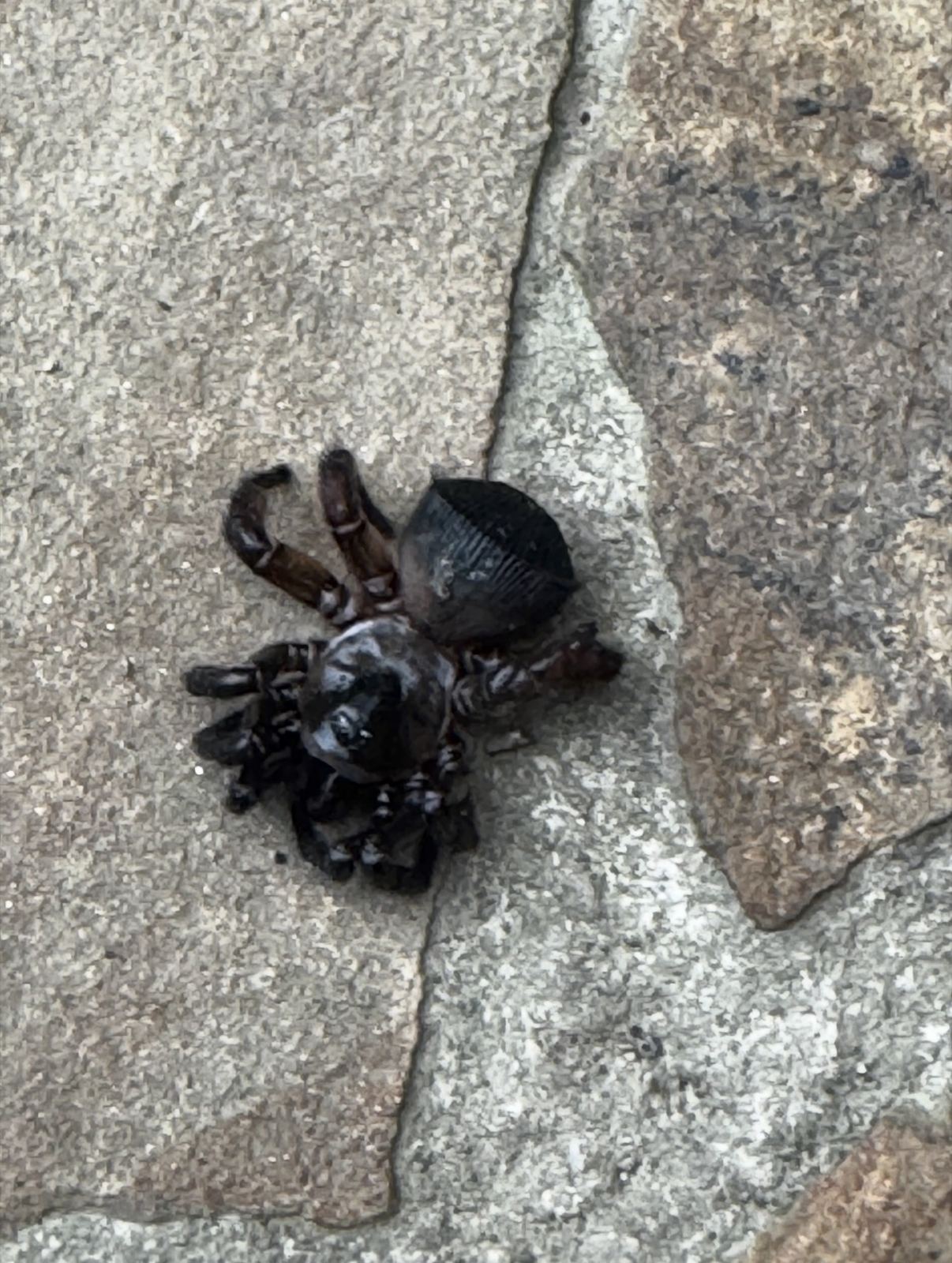
Wasps, beetles & spiders
Other pests we handle
Stinging insects, fall invaders and spiders are all part of a normal year in Southeast Tennessee.
On the road
Look for our truck
Locally owned and operated, serving Chattanooga, Cleveland, Ooltewah, Collegedale and the towns up to Dunlap.